12 Basic Principles of Animation

Foundational rules from Disney’s The Illusion of Life—with before-and-after diagrams for each principle.

The 12 basic principles of animation were introduced by Disney animators Frank Thomas and Ollie Johnston in their 1981 book The Illusion of Life to make digital and traditional movements look real and alive.

Use these ideas when planning animation videos, whiteboard explainers, or any motion that needs weight, clarity, and appeal—or start a project on the order form.

1. Squash and Stretch

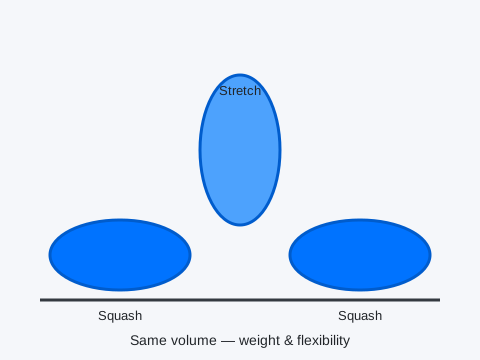
Distorts an object to show its weight, speed, and flexibility while keeping its total volume the same.

Before
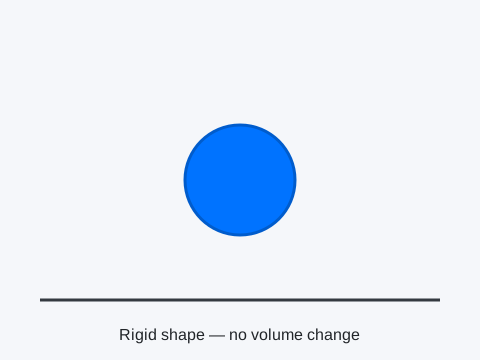
Before: rigid ball with no squash or stretch

After

After: ball squashed and stretched while keeping volume

2. Anticipation

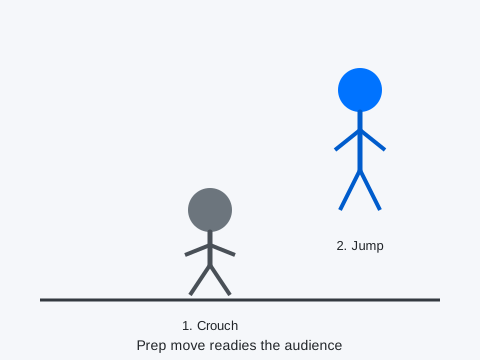
Uses a preparatory move (like a wind-up before a pitch) to get the audience ready for a main action.

Before
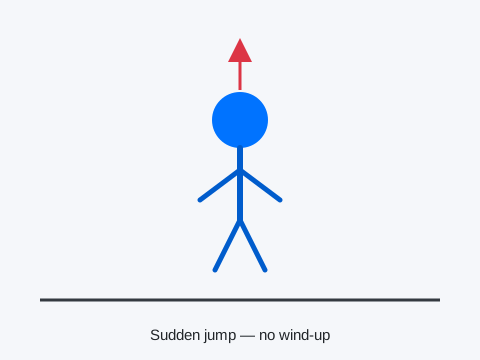
Before: jump with no preparatory wind-up

After

After: crouch anticipation then jump

3. Staging

Arranges elements in a scene to guide the viewer’s eye and tell the story clearly.

Before
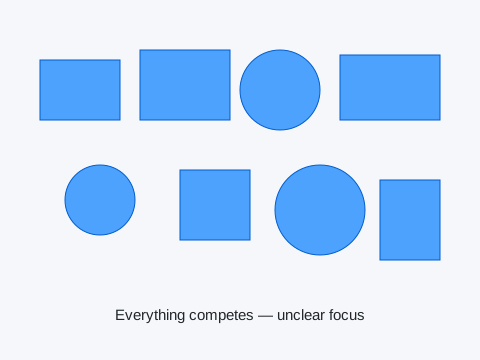
Before: cluttered scene with equal visual weight

After

After: clear focal subject with supporting elements

4. Straight Ahead Action and Pose to Pose

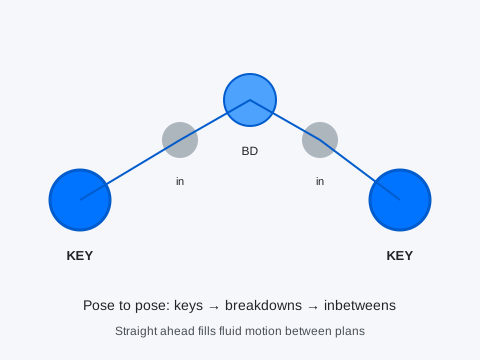
Uses frame-by-frame sequential drawing for fluid movements, or key poses first for controlled acting.

Before
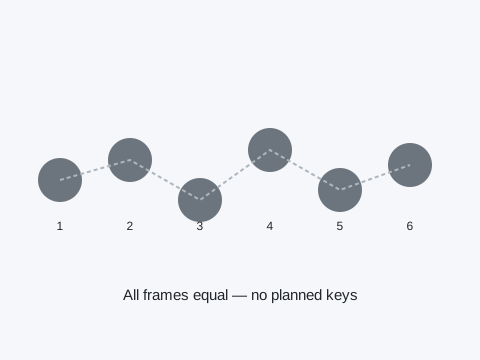
Before: sequential frames without planned key poses

After

After: key poses first then breakdowns and inbetweens

5. Follow Through and Overlapping Action

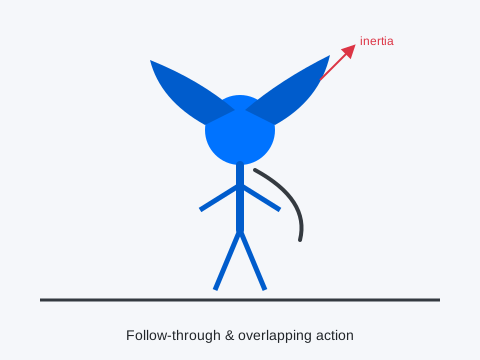
Shows how loose parts (like hair or clothing) keep moving after the body stops because of inertia.

Before
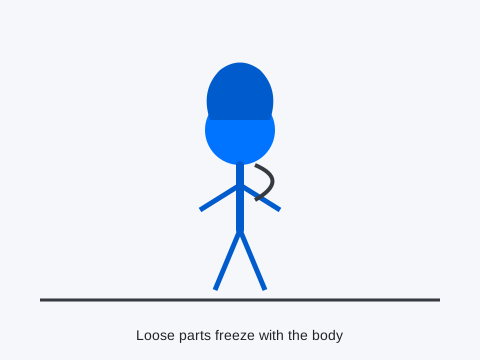
Before: hair and cloth stop with the body

After

After: hair and cloth continue after the body stops

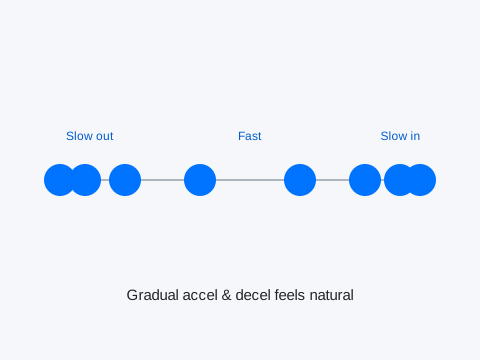
6. Slow In and Slow Out

Speeds up and slows down movements gradually so actions do not look robotic.

Before
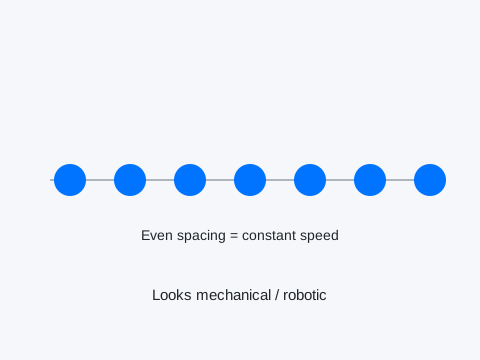
Before: even spacing looks robotic

After

After: ease-in and ease-out spacing

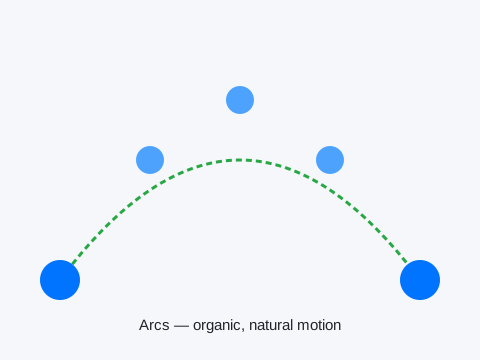
7. Arcs

Follows natural, slightly curved paths for organic motion instead of stiff straight lines.

Before
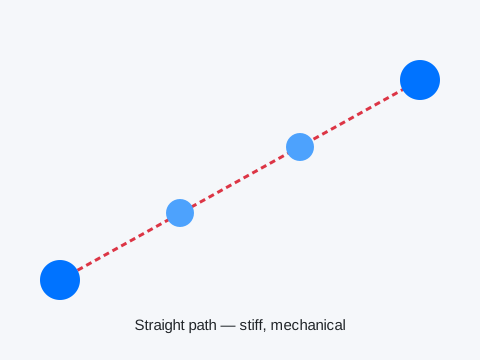
Before: stiff straight-line motion path

After

After: natural curved arc motion path

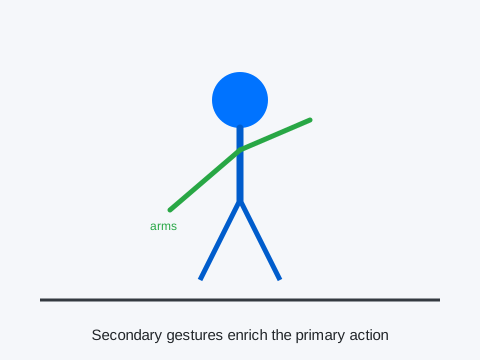
8. Secondary Action

Adds smaller supporting gestures (like whistling or swinging arms) to enrich the primary action.

Before
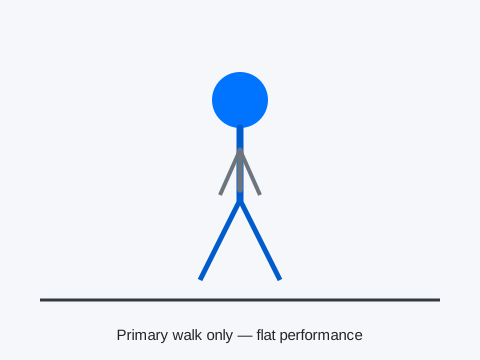
Before: walk cycle with no supporting gestures

After

After: walk with swinging arms as secondary action

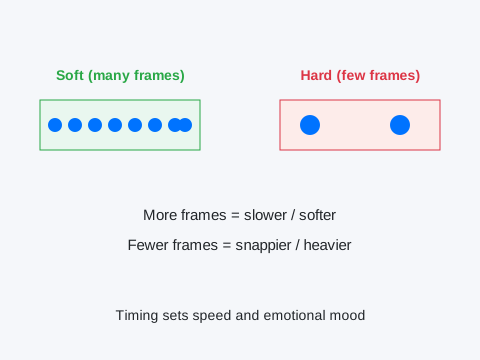
9. Timing

Adjusts the number of frames to control the speed and mood of an action.

Before
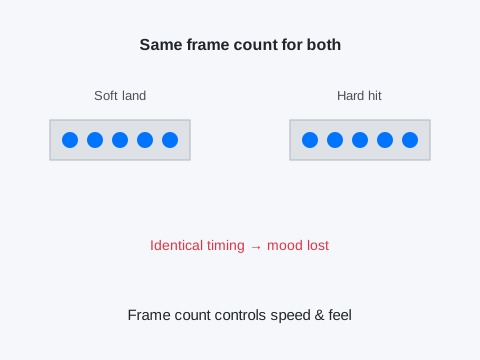
Before: same frame count for every action mood

After

After: sparse vs dense frames change mood

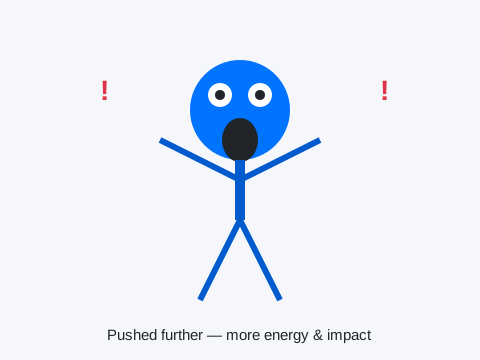
10. Exaggeration

Pushes poses or actions further than reality to give them more emotional impact and energy.

Before
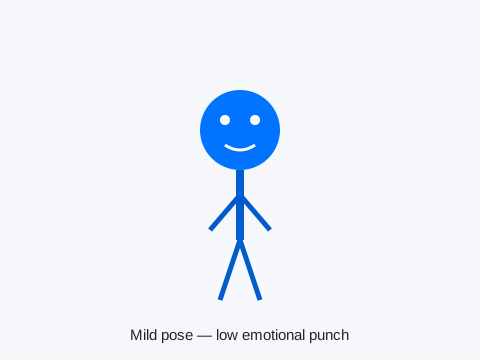
Before: mild realistic surprise pose

After

After: exaggerated surprise pose with energy

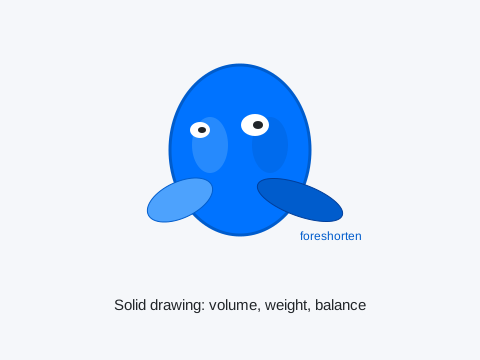
11. Solid Drawing

Makes two-dimensional shapes feel three-dimensional with proper volume, weight, and balance.

Before
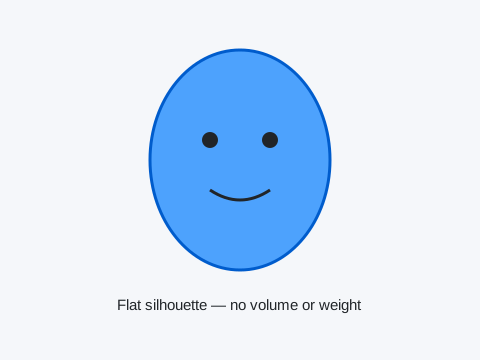
Before: flat two-dimensional shape

After

After: form with volume weight and foreshortening

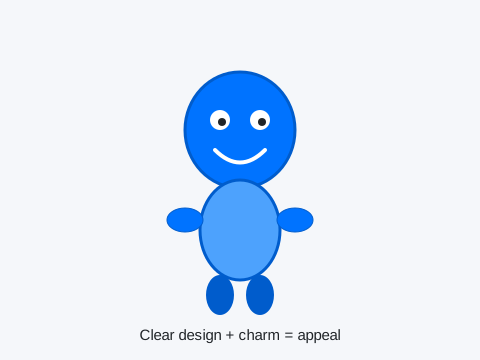
12. Appeal

Gives characters charisma, clear design, and charm so they interest the viewer.

Before

Before: vague blob character with unclear design

After

After: clear charismatic character design

Want motion that uses these principles on your site? See our animation video samples or compare styles on whiteboard and motion design pages.

Frequently Asked Questions

What are the 12 basic principles of animation?
Foundational rules from Frank Thomas and Ollie Johnston’s The Illusion of Life (1981) that make movement look real and alive—from squash and stretch through appeal.
Who created the 12 principles of animation?
Disney animators Frank Thomas and Ollie Johnston documented them in The Illusion of Life.
Do the 12 principles apply to motion graphics and explainer videos?
Yes. Timing, arcs, anticipation, and the rest still guide modern 2D, 3D, and motion design—including animation videos for the web.
Which principle should beginners learn first?
Start with squash and stretch plus timing, then add anticipation and arcs for more natural acting.

Ready for professional animation?

Browse animation samples built with clear staging, timing, and appeal—then order a custom video for your site or campaign.

Browse animation videos Order now

Schedule Call